
Low-Slope Surfaces That Pool Water
Flat & TPO Roofing Systems in Edmond for garages, home additions, and modern homes with low-slope roof areas
Oklahoma's intense thunderstorms dump water faster than inadequate drainage can handle on flat or low-slope roofs, leaving standing pools that eventually find seams, penetrations, or worn membrane spots to leak through. Terrell's installs TPO roofing systems in Edmond for residential flat roof applications—garage roofs, single-story additions, porch coverings, and modern home designs with minimal roof pitch—where traditional asphalt shingles don't provide reliable waterproofing. When you notice water remaining on your flat roof surface more than 48 hours after rain, see bubbling or blistering in the existing membrane, or find interior water stains on ceilings below flat sections, the roofing system has either failed or was inadequately designed from the start.
TPO—thermoplastic polyolefin—roofing uses heat-welded seams instead of adhesive or mechanical fasteners alone, creating a continuous waterproof membrane without the vulnerable lap joints found in older rolled roofing or tar-and-gravel systems. The white or light-colored surface reflects solar radiation rather than absorbing it, keeping roof surface temperatures twenty to thirty degrees cooler than black EPDM or asphalt-based membranes, which reduces heat transfer into the space below and extends membrane lifespan by minimizing thermal stress.
Arrange an on-site evaluation to assess drainage patterns and determine whether membrane repair or full replacement addresses your flat roof concerns.
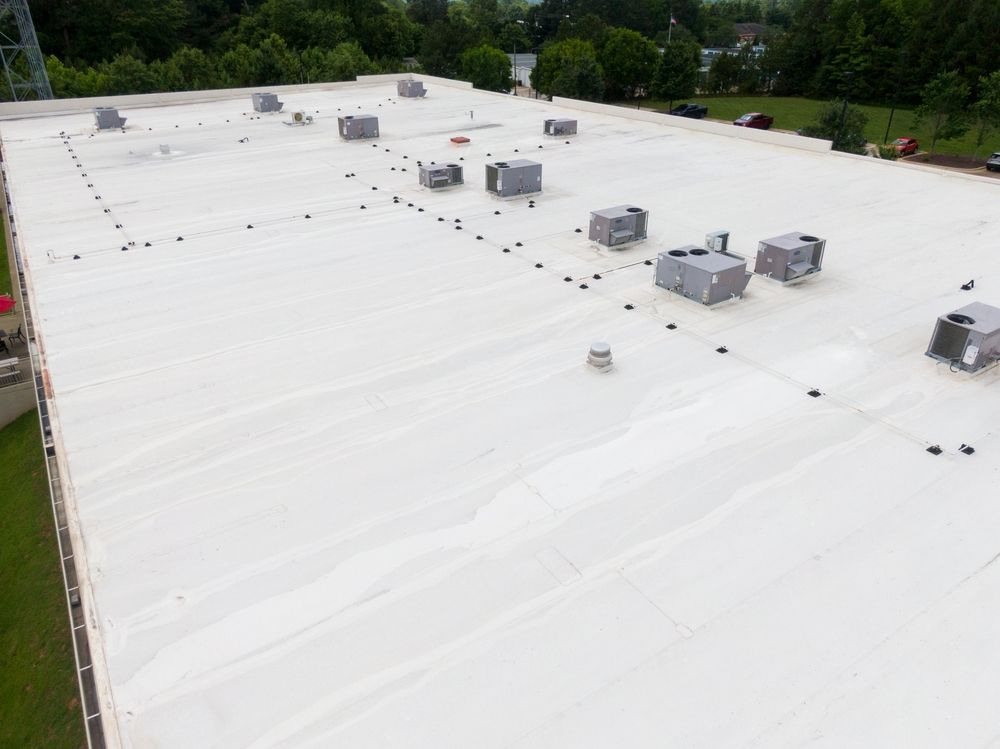
Why TPO Membrane Works for Residential Flat Roofs
Installation begins with removing existing roofing material if present, verifying the roof deck has adequate slope for drainage—minimum one-quarter inch per foot toward drains or scuppers—and applying rigid insulation boards if additional R-value is needed. The TPO membrane is rolled out across the roof surface, and seams between adjacent sheets are heat-welded using a hot-air gun, creating a bond stronger than the membrane itself. Flashing details around parapet walls, vent pipes, and roof edges integrate with the main membrane through similar heat-welding techniques.
After installation, you'll notice water drains completely off the roof within hours of rain stopping rather than sitting in low spots for days. The reflective surface reduces cooling costs during summer months because less solar heat radiates through the roof deck into living spaces, and the sealed membrane eliminates the musty odor that develops when moisture penetrates into insulation or ceiling cavities.
Flat roof systems require proper drainage design—the membrane itself is waterproof, but water must have somewhere to go, either through internal drains, scuppers at the roof edge, or tapered insulation that creates positive slope toward drain points. Without adequate drainage, even a perfectly installed membrane will develop problems from standing water weight and UV exposure to water-covered areas.
Common Questions About This Service
Flat roofing systems work differently than sloped roofs, so homeowners often have questions about materials, longevity, and maintenance requirements specific to low-slope applications.
What causes flat roofs to develop leaks more often than sloped roofs?
Water sits on flat surfaces long enough to find any seam separation, puncture, or deteriorated flashing, whereas sloped roofs shed water quickly before it can penetrate—this makes seam integrity and drainage design critical on flat applications.
How does TPO compare to EPDM rubber roofing?
TPO seams are heat-welded for permanent bonding, while EPDM relies on tape or adhesive at seams that can fail over time; TPO's reflective surface also stays cooler, reducing thermal expansion stress that accelerates aging in dark-colored membranes.
When should a flat roof be replaced instead of patched?
If you see widespread bubbling or splitting across the membrane surface, multiple leak locations after storms, or the existing roof is over fifteen years old with visible wear, replacement provides more reliable long-term protection than repeated patch attempts.
What maintenance does TPO roofing require in Edmond?
Annual inspections to clear debris from drains, check seam integrity, and verify flashing remains sealed prevent most problems, with particular attention after hail storms since impact damage may not leak immediately but creates weak points that fail later.
How long do TPO flat roofs last on residential applications?
Properly installed TPO membranes with adequate drainage and minimal foot traffic typically perform for twenty to twenty-five years before requiring replacement, with seam integrity and UV exposure being the primary aging factors.
Terrell's handles TPO roofing installation and flat roof replacement for residential properties throughout Edmond, providing waterproof membrane systems designed for Oklahoma's weather patterns. Schedule a consultation to review your flat roof drainage and discuss membrane options appropriate for your application.