Siding That Resists Rot and Insect Damage
Fiber Cement & LP SmartSide Installation in Edmond for homeowners wanting premium appearance with wood-style finishes
Wood siding looks authentic because it is, but it rots when moisture penetrates the finish and provides food for insects that tunnel through exterior walls. Fiber cement siding and LP SmartSide engineered wood deliver the visual texture and shadow lines of real wood while resisting the moisture, rot, and insect damage that ends wood siding's functional life prematurely. Terrell's installs both materials on residential homes where durability and high-end curb appeal matter equally, and the installation techniques ensure these premium products perform as designed through decades of Central Oklahoma weather exposure.
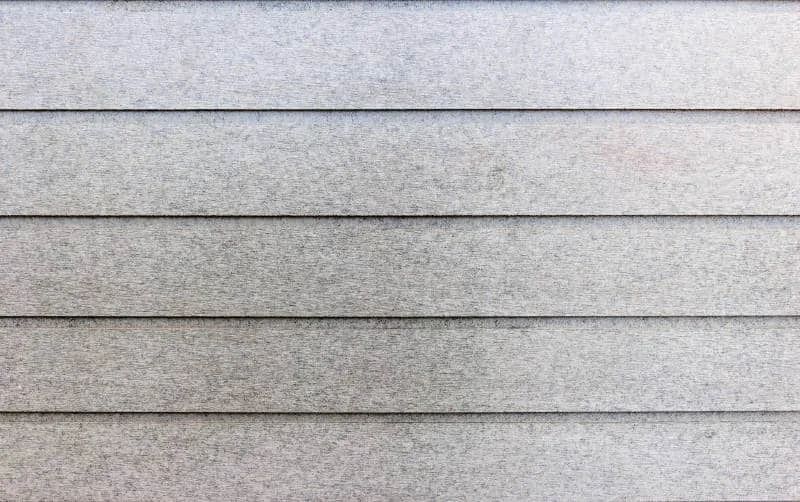
Fiber cement combines cement, sand, and cellulose fibers into panels that won't rot, warp, or provide nutrition for termites and carpenter ants. LP SmartSide uses engineered wood strands treated with zinc borate for rot and insect resistance, then coated with a resin overlay that seals out moisture. Both materials accept paint better than vinyl and hold finishes longer than natural wood, and they're available in profiles that replicate lap siding, shakes, shingles, and board-and-batten styles.
Request a detailed estimate that includes material comparisons and finish options suited to your home's architectural design.
What Proper Installation Requires for Premium Siding
Installation begins with surface preparation that includes house wrap, flashing at wall penetrations, and starter strips that establish level reference lines. Fiber cement panels are heavy and require two installers to position and fasten, with cut edges sealed using manufacturer-approved coatings to prevent moisture intrusion. LP SmartSide is lighter but still demands precision cutting and fastener placement to maintain the engineered wood's warranty coverage, and both materials require specific clearances from roofing, decks, and grade to prevent moisture wicking.
Your home gains the authentic wood appearance that vinyl can't replicate—actual shadow lines, grain texture, and depth that reads as real from any distance. Rain and humidity don't cause the swelling, cupping, and paint failure that natural wood experiences, and you won't find insect galleries tunneling through your exterior walls. The finish lasts longer between repainting cycles, and when repainting is eventually needed, the smooth surface accepts new coats easily without extensive scraping or priming.
These materials cost more than vinyl but less than continuous maintenance and early replacement of natural wood. Homeowners choose fiber cement and LP SmartSide when resale value, neighborhood standards, or personal preference justify the investment in materials that combine appearance with performance. Terrell's coordinates installation to minimize weather exposure during the process, since both materials perform best when installed and finished according to environmental conditions specified by manufacturers.
Answers to Frequent Questions About Premium Siding
Material selection, installation requirements, and long-term performance considerations shape how Edmond homeowners evaluate fiber cement and engineered wood siding options.
What's the difference between fiber cement and LP SmartSide functionally?
Fiber cement is heavier, more impact-resistant, and completely non-combustible, while LP SmartSide is lighter, easier to cut and install, and offers slightly better insulation value. Both resist rot and insects effectively.
How often does fiber cement or LP SmartSide require repainting?
Factory finishes typically last fifteen years before repainting is needed, compared to five-to-seven years for natural wood siding. The substrate doesn't rot beneath the paint, so prep work is minimal.
Why does cut edge sealing matter during installation?
Exposed edges on fiber cement can absorb moisture if not sealed, and unsealed LP SmartSide edges void the warranty. Proper sealing prevents moisture intrusion that would undermine the material's rot resistance.
How do these materials handle Oklahoma's humidity and temperature swings?
Both are engineered to expand and contract minimally with moisture and temperature changes, preventing the warping and splitting that natural wood experiences in variable climates like Edmond's.
What makes installation more complex than vinyl siding?
Fiber cement's weight requires two-person handling, and both materials demand precision cutting with appropriate dust control measures. Fastener type, placement, and clearances are more critical to maintain warranty coverage and long-term performance.
Terrell's provides side-by-side material samples and explains how fiber cement and LP SmartSide perform specifically in Central Oklahoma conditions. Contact (405) 799-7700 for a property consultation that reviews which premium siding option best matches your home's design and maintenance expectations.